Tuesday, February 25, 2014

Fame and Furry Friends


     David Backes, the St. Louis Blue's hockey captain brought home stray Sochi puppies from the 2014 Winter Olympics. David and his wife Kelly, rescued the pups off of the streets in sochi to save them from being exterminated. The puppies were taken back to St. Louis in order to find loving homes. The couple have four rescue dogs and two rescue cats at home in the United States and are working to spread awareness to the public for animal rights.


"We're just trying to widen our scope to help animals across the (U.S.) and across the world, and doing what we can," Backes said Tuesday. CBS

-

        American media and acting icons Katherine Heigl and Ali Fedotowsky team up to raise awarness about the Sochi dogs. Katherine has already started a foundation for stray dogs called Jason Debus Heigl Foundation to help pups find new homes. 


         Ali was in Sochi covering the 2014 Winter Olympics and returned home with two Sochi pups, and Katherine waited anxiously at the airport for the dogs to arrive in LAX. Both Katherine and Ali are working to help them find loving homes. As soon as the dogs arrived, they received medical attention and a weekend to recover from travels before meeting their new families. 

-

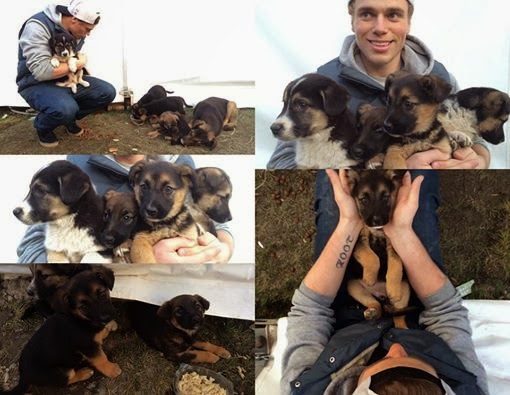
        Gus Kenworthy, the silver medalist of the men's ski slope style competition in the 2014 Winter Olympics fell in love with four Sochi puppies. Gus has been buying kennels and leashes in the meantime in Sochi before he can bring them home. Gus states that he visited them everyday because the dogs were not allowed in the olympic village. Gus and his pups


Monday, February 24, 2014

Bear Bile

         Across South East Asia bears are being confined in order for scientists to draw out their bile for asian medicine. The conditions the bears endure is cruel. Bear farmers claim that keeping the bears in confinement will improve their population numbers. Although, many of the bears in bear farms are sold illegally by poachers. The donation of gall bladders and bile is painful, and at what cost are we willing to "save" the population?


There are countless petitions and facebook groups supporting the protest against inhumane treatment of bears for bile. 


       The World Society of Protection of Animals has been working to stop bear farming for bile by working with Asian government officials, stop the illegal trade and poaching of bears, and help Asian scientists find other alternatives for medicine. WSPA


"More than 10,000 bears – mainly moon bears, but also sun bears and brown bears – are kept on bile farms in China, and around 2,400 in Vietnam. The bears are milked regularly for their bile, which is used in traditional medicine." AnimalsAsia

        More importantly, the foundation called Animals Asia has been working to stop the cruelty from the country in which is resides. They describe how the operations are extremely invasive, and many bears are kept for over thirty years in small cages. Bear sanctuaries have been created to help the bears recover from their time in the farms and to study the procedures that they had to endure. The sanctuaries have helped raise awareness to the public and the scientific community. In sanctuaries are centered in Chengdu, China and Tam Dao, Vietnam. The organizations provide the bears with a pleasant and spacious dens, with enclosures that illustrate the feeling of being in the wild. In these centers, the bears are able to recover. According to the Animals Asia website, there have been four hundred bears saved through these sanctuaries.


Sunday, February 23, 2014

Help the Honeybees

             The U.S. Department of Agriculture stated Tuesday, February 26th, that they would contribute funding to farmers and ranchers upgrade grass lands in five Midwestern states to supply food for the diminishing number of honeybees left. The statement included an offer of over three million dollars, in order to sustain and increase the number of honeybees left. The ultimate goal is to provide farmers in Michigan, Texas, Minnesota, Wisconsin, North and South Dakota with funds to improve their farms and the lives of their livestock and bees.


            The ultimate goal the USDA is trying to reach is to save the lives of honeybees which are very much in danger. In preparation, they have worked with universities to conduct studies on the bees to learn more about the cause of their decline. Members from the CCD Steering Committee and Pennsylvania State University held a seminar in Virginia that would begin the research into the needs of the honeybees. According to the USDA one hundred and seventy five people attended. These individuals included, animal rights activists, scientist, government officials, beekeepers and scholars from all over the globe. Because of habitat loss and overusing pesticides, commercial agricultural production has declined and the number of honeybees has plummeted. Every year, honeybees provide our country with over $15 billion produce and goods. HuffingtonPost


"Despite a remarkably intensive level of research effort towards understanding causes of 
managed honeybee colony losses in the United States, overall losses continue to be high 
and pose a serious threat to meeting the pollination service demands for several 
commercial crops."USDA

       The USDA plans to fund places for bees to increase food stock and be able to survive the winter. The purpose is to improve not only the number of bees, but their habitats as well. The president of the American Beekeeping Federation and owner of five hundred bee hives in Texas, Tim Tucker states:
"Anything we do to help provide habitat for honeybees and for native bees and pollinators is a step."


Wednesday, February 19, 2014

Lilly the Deer


           A Michigan family (whose identify remains confidential) have been raising a pet deer for the past five years in their home. The family hit her mother with their car which lead to her birth. The deer, Lilly, has since been living with their family, snuggling with the cat on the couch and playing in the yard with dog. This family was all that Lilly had ever known, and was completely taken care of. None of the neighbors had a problem with Lilly's living situations and Lily had recovered from the accident beautifully, growing into a healthy happy deer.


          After a report was called in from a neighbors friend, the state government attempted to take Lilly away from her family in 2012. Stating the law that claims: if a baby deer is found or hit because of a car accident the person is not allowed to take the fawn. Michigan law states that a person can only have a wildlife animal if they are licensed rehabilitators. Michigan’s Department of Natural Resources threatened to take Lilly from her family, therefore began a large uproar on the internet. A change.org petition gathered 16,004 signatures, and an Indiegogo petition that vegan to raise money for her owners and raised nearly $2,500.There was also a Facebook page that was created to create awareness and have a place for supporters to voice their opinions.


      Lilly's owners hired an attorney to fight against her removal from their home. The government stated that she would be removed and rehabilitated to return to the wild, put into a zoo, or she would be put down. Their argument was that Lilly could not defend herself in the wild, and they would provide a loving home for the animal. The offer was that they would obtain a permit so that Lilly can officially stay in their home legally. This case was an exception, and a very rare one. A couple months after they began the lawsuit, the family won the rights to keep Lilly in their home.

“Lilly’s caretakers have applied for an Exhibition Class Permit and they will continue to provide Lilly with the love, care, and environment she needs to thrive,” the family lawyer, Val Washington said.

Monday, February 17, 2014

North Carolina Ash Coal Spill


       According to North Carolina police, arsenic and other dangerous toxins have been flowing into the Dan river from the Duke Energy coal ash dump, which began February 2nd. The state Department of Environment and Natural Resources reported that a second pipe caved in without warning February 2nd, flooding the Dan River with toxic ash spreading seventy miles throughout the lake.

"Federal authorities expressed concern for what long-term effect the contaminants will have on fish, mussels and other aquatic life." HuffingtonPost


          There are two endangered species in the Dan River which flows through North Carolina and Virginia. The Roanoke Logperch fish and the James spinymussel, and the green floater mussel (which is under evaluation to be added to the federal endangered species list). In addition, the turtles that have been hibernating at the bottom of the river have been crawling to the beaches and dying. The coal ash is suffocating the animals underneath the bottom of the river and clogging the gills on the fish and mussels.


       Although officials will not know the full impact of the spill for some time, the Duke energy coal ash dump has been working on treating and testing the water. According to water treatment authorities the water is ridded of all dangerous toxins and safe to drink, but the arsenic levels are still high. Officials mention the risk of rain, which will carry the left over toxins and arsenic downstream. 


Sunday, February 16, 2014

Free Range or Fraud?

      The Animal Legal Defense Fund is a nonprofit organization based in California which works to protect animals through the legal system. Their latest lawsuit began in 2012, the case of Judy’s Family Farm providing false advertising to their consumers. Judy’s Family Farm sells “free range organic” eggs, according to the label on their eggs in stores.


“These hens are raised in wide open spaces in Sonoma Valley, where they are free to roam, scratch and play.”

           Consumers were lead to believe that the chickens were given room to roam freely outside, and bought the eggs to support free-range farm animals. The farm was found out to be opposite of what they were claiming on their boxes of eggs. The hens were kept in such close quarters that their wings could not open, and they had no outlet to the outdoors. Because there are very few laws that protect hens against cruelty and “humane” is a very overused word when it comes to laws supporting ethical treatment of animals, being able to twist the lawsuit and accuse them of fraud was the best way to protect the hens on this farm. After months of negotiating the two sides came to a detailed agreement:

1.) Change the packaging on the eggs by taking off the picture of hens on an open grass field, and removing the descriptions of the hens lifestyle that lead consumers to wrongly believe the eggs come from hens with substantial outdoor access;
2.) Acquire Certified Humane certification - Human Farm Animal Care: an organization that works to improve the lives of farm animals. (According to Humane Farm Animal Care, 68% of consumers want to know what farmers are doing to ensure animal care.)
3.) A donation of $14,666.67 to Sonoma Humane Society for hen recovery and rescue efforts, $14,666.67 to the Public Justice Foundation to help victims of false advertising, and $14,666.66 to Consumer Action to help the victims of consumer fraud.
Care2
ALDF
 

Thursday, February 13, 2014

Combatting Wildlife Trafficking

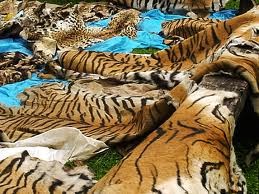
            On February 11th, the White House announced the National Strategy for Combatting Wildlife trafficking. Illegal trade in wildlife is an urgent problem for many wildlife species and affecting the numbers of species around the world greatly. Millions of dollars every year come from major smugglers illegally selling rare animal parts. The most common animals that are killed for their parts are elephants (for their ivory), rhinos (for their horns) and tigers (for their skin). Illegal trade is one of the largest contributing factors to the danger in the survival of many wildlife species.


The United States targets for stopping illegal wildlife trading are as follows:

- Increasing strict regulations within and outside of the United States

- Diminish the need for illegally traded goods

- Reinforce alliances globally, domestically, with companies and non-profits to fight against poaching

              In addition to reaching these goals, the White House has announced principals within the United States that to support the new strategy. The action of banning the import and export of elephant ivory, significantly limit resales of elephant ivory, set strict and official guidelines as to what is "antique" in order to sell (requirements follows the Endangered Species Act), and reinforce limitations for wildlife sport hunting. In time government officials will strengthen the laws listed above and meet with international global alliances in hope they will join the movement. -The White House


                The World Wildlife Fund has been addressing this problem for years, and with the White House's support, we can save countless endangered species. The WWF have been working with wildlife trade monitoring network (TRAFFIC) to enforce regulations on hunting and smuggling animal parts globally. The largest problem that WWF and TRAFFIC have been working with is poaching in developing countries, where law enforcements and education on the topic are lacking. WWF


           The CEO of WWF Carter Roberts released a comment on President Obama's new regime to implement securing the safety of wildlife species:

“Today marks a significant milestone in the global fight against wildlife crime. President Obama has elevated illegal wildlife trafficking to a priority issue for more than a dozen federal agencies, reflecting the fact that it has grown into one of the most profitable criminal industries in the world, estimated at $10 billion annually.The President’s strategy is complemented by Congress’ recent, unprecedented  approval of$45 million in newly dedicated funding to combat illegal wildlife trafficking."